LTT Mobility in Lublin, Poland – Virtual Horizons: Exploring AR & VR in Education
As part of the Erasmus+ project “Digital Competence for Resilient Educators” (DiCoRE) (Project No. 2024-1-PL01-KA210-SCH-000243999), a new international mobility is taking place in the vibrant city of Lublin. This important learning experience brings together educators committed to strengthening their digital skills and adapting to the rapidly evolving educational landscape.
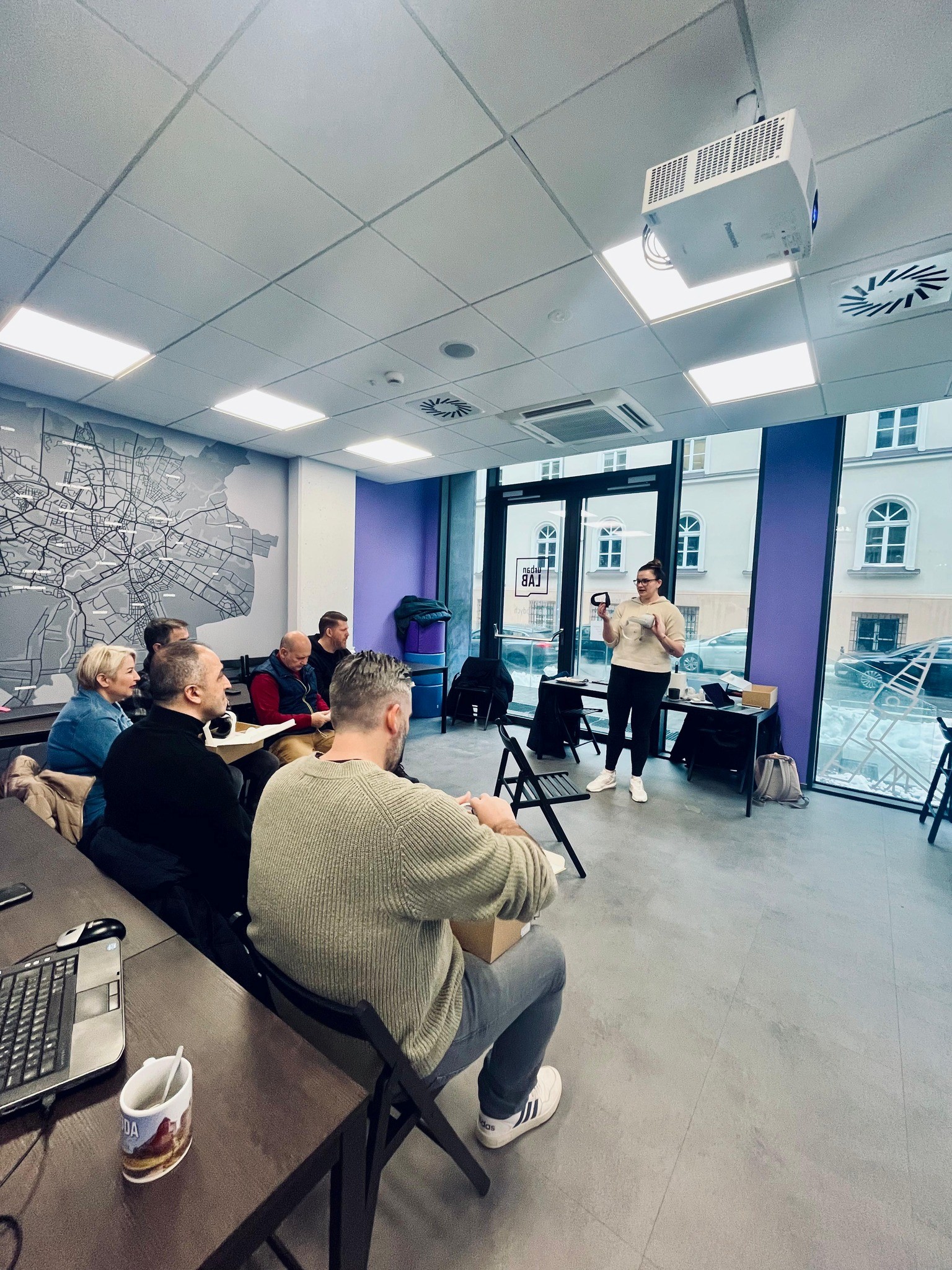
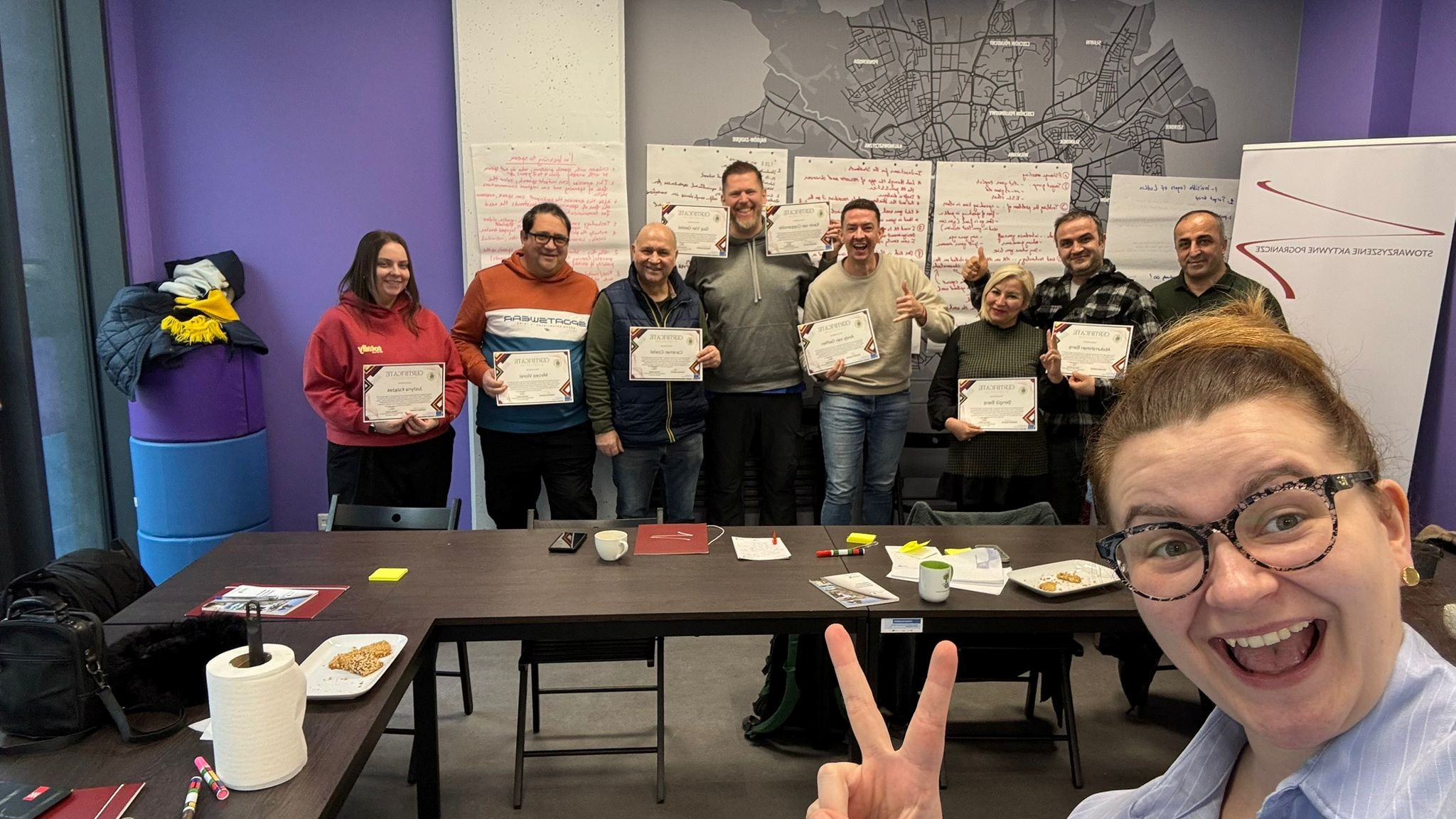
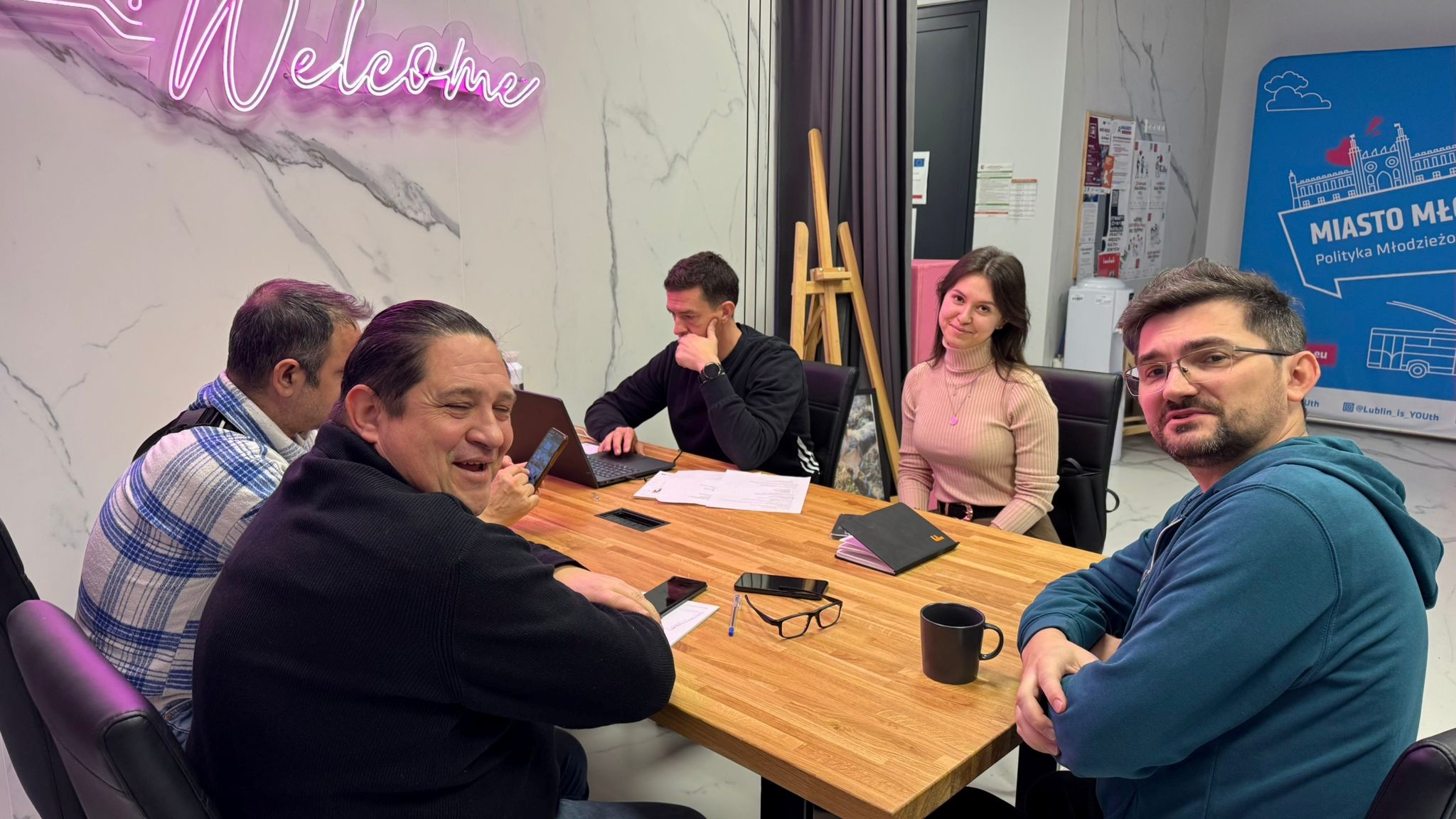
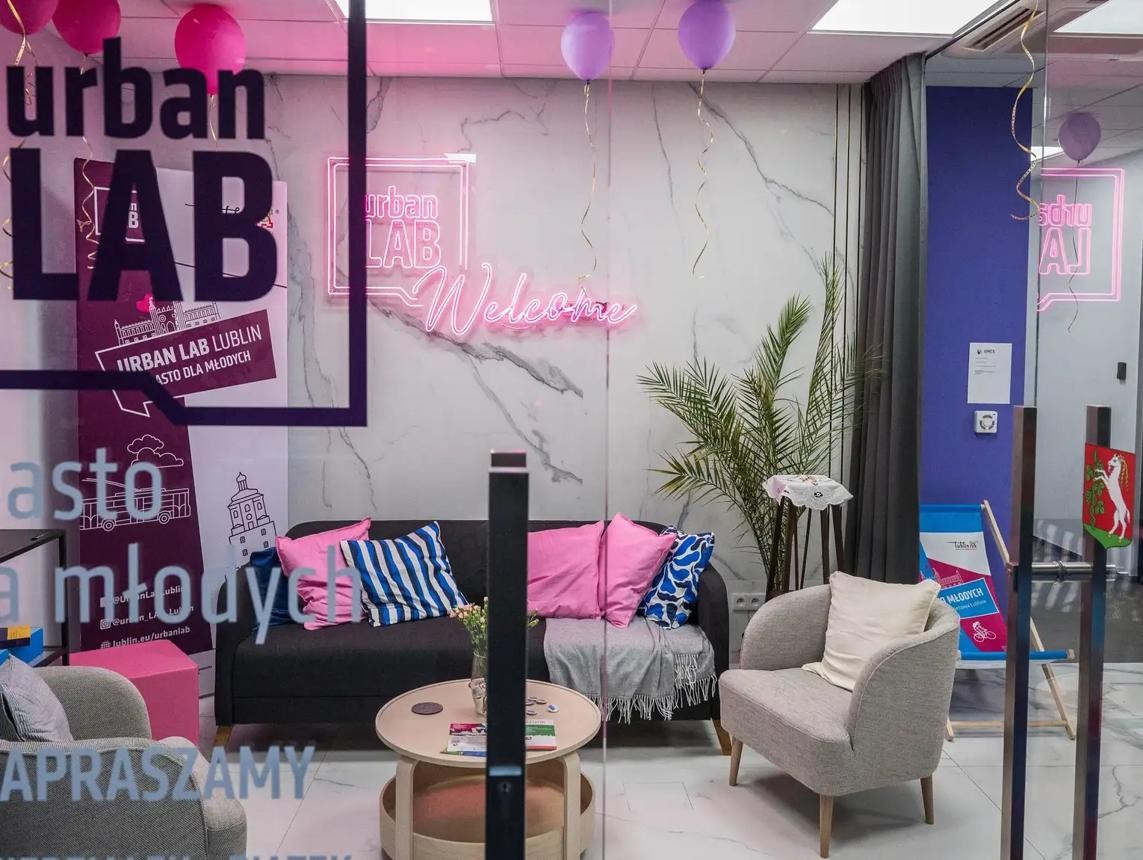
The training course entitled “Virtual Horizons: Exploring AR & VR in Education” represents the third training activity within the DiCoRE project, marking another key milestone in the consortium’s journey toward innovation and resilience in education. The activity is hosted between 26–30 January 2026 at the modern and dynamic venue of Urban Lab Lublin, a space known for fostering creativity, collaboration, and forward-thinking solutions.
🌍 International Collaboration and Shared Vision
This mobility gathers educators from Poland, Belgium, Turkey, and Romania, creating a diverse and inspiring environment where participants exchange ideas, experiences, and best practices. The intercultural dimension of the training plays a crucial role in enriching perspectives and promoting mutual understanding, which are essential components of the Erasmus+ Programme.
Working in an international setting allows participants not only to improve their professional competences but also to build strong partnerships and networks that will continue beyond the project’s lifetime.
🚀 Exploring the Future of Education through AR & VR
During the training, participants dive into the innovative world of Augmented Reality (AR) and Virtual Reality (VR) and their transformative potential in education. These emerging technologies are no longer just futuristic concepts—they are becoming powerful tools that can reshape how knowledge is delivered and experienced in the classroom.
Through a combination of:
- Hands-on workshops
- Interactive demonstrations
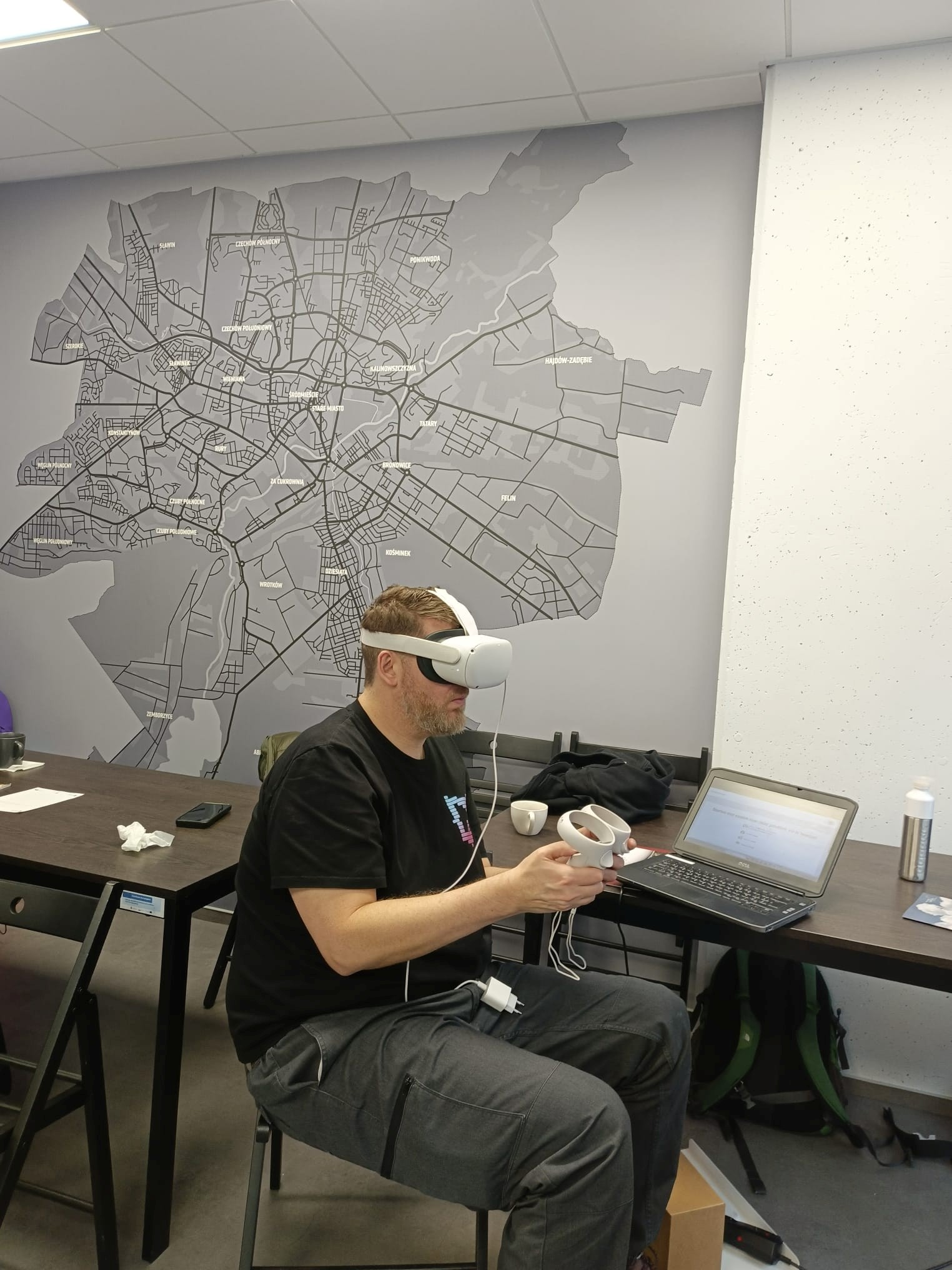
- Practical experimentation with AR/VR tools
- Collaborative lesson planning sessions
educators actively explore how to integrate immersive technologies into their teaching practice.
Participants are encouraged to design engaging learning scenarios, where students can experience content in more interactive and meaningful ways—whether by exploring historical sites virtually, visualizing complex scientific concepts, or participating in simulated real-life situations.
💡 Strengthening Digital Competence and Pedagogical Innovation
A central objective of this mobility is the development of digital competences, aligned with European priorities for education and training. By engaging directly with AR and VR technologies, participants enhance not only their technical skills but also their ability to apply these tools in pedagogically sound and inclusive ways.
The training supports educators in:
- Increasing confidence in using digital tools
- Adapting teaching methods to diverse learner needs
- Promoting active and experiential learning
- Encouraging creativity and critical thinking among students
At the same time, the project contributes to building resilient educators—professionals who are prepared to face challenges, embrace innovation, and continuously evolve in a digital society.
🌱 Building Engaging and Resilient Educational Environments
Beyond technical knowledge, the training emphasizes the importance of creating engaging, inclusive, and future-ready learning environments. By integrating immersive technologies, educators can foster deeper student motivation, participation, and understanding.
The collaborative nature of the course also allows participants to co-create innovative lesson plans and teaching strategies, which they will later implement in their own institutions, multiplying the project’s impact at local, national, and European levels.
✨ A Step Forward in the DiCoRE Journey
This third training activity in Lublin represents another significant step forward for the DiCoRE project. It strengthens the consortium’s shared mission: to empower educators with the tools, knowledge, and mindset needed to thrive in a digital world.
As the mobility continues, participants will not only gain valuable skills but also contribute to a growing community of educators dedicated to innovation, collaboration, and resilience in education across Europe.
Testimonials
Romania Testimonial
At the end of January 2026, the city of Lublin becomes a lively meeting place for educators who share the same curiosity about the future of teaching. As part of the Erasmus+ project “Digital Competence for Resilient Educators” (DiCoRE) (No. 2024-1-PL01-KA210-SCH-000243999), participants from Poland, Belgium, Turkey and Romania come together for the training “Virtual Horizons: Exploring AR & VR in Education,” hosted between 26 and 30 January at Urban Lab Lublin.
From the very first moments, the atmosphere is open, collaborative, and full of energy. Teachers with different backgrounds and experiences quickly find common ground, exchanging stories about their classrooms, their students, and the challenges they face in an increasingly digital world. What connects them all is the desire to adapt, to improve, and to make learning more meaningful for their students.
Instead of focusing only on theory, the training invites participants to explore technology in a hands-on and practical way. Many of them are experiencing augmented and virtual reality tools in depth for the first time, and the reactions range from curiosity to genuine excitement. Step by step, they begin to see how these tools can move beyond being something “innovative” and become something truly useful in everyday teaching. Whether it is visualizing complex ideas, creating immersive learning moments, or simply capturing students’ attention in new ways, AR and VR open up possibilities that feel both inspiring and achievable.
What makes the experience even more valuable is the constant exchange between participants. Ideas are tested, adapted, and improved through discussion and teamwork. A concept shared by one teacher quickly evolves as others add their perspectives, shaped by different education systems and classroom realities. In this way, learning becomes a shared process, not just something delivered by trainers, but something built together.
There is also a strong sense that this training is not just about tools, but about mindset. Participants reflect on how teaching is changing and what it means to be an educator today. They talk about flexibility, creativity, and the importance of keeping students engaged in a world full of distractions. Technology becomes part of a larger conversation about how to make education more inclusive, interactive, and relevant.
By the end of each day, the group leaves not only with new knowledge, but with concrete ideas they can take back to their schools. Lesson plans start to take shape, collaborations begin to form, and confidence grows. What seemed complex at the beginning becomes more accessible, and what once felt like a distant innovation becomes something they can actually use.
This mobility in Lublin is another important step in the DiCoRE project, but for the participants, it is also a personal journey. It is about stepping out of their comfort zones, connecting with others, and rediscovering the joy of learning themselves. As the days pass, it becomes clear that the real impact of this experience will continue long after the training ends, in classrooms where new ideas, new tools, and new energy will shape the way students learn.
BELGIUM IMPRESSIONS
Over the past several days, Lublin became a vibrant hub of innovation, collaboration, and forward-thinking education, as teachers and trainers from partner countries came together במסגרת the Erasmus+ project DiCoRE. The mobility focused on one of the most transformative areas in modern education: the integration of Augmented Reality (AR) and Virtual Reality (VR) into teaching and learning processes 🥽📚
The training programme was carefully designed to combine strong theoretical foundations with rich, hands-on experiences. Participants explored the pedagogical value of immersive technologies, discussing how AR and VR can enhance student engagement, support different learning styles, and create meaningful, interactive educational environments. These discussions were complemented by practical workshops, where educators worked directly with VR headsets and digital tools, experiencing firsthand how immersive content can be used in real classroom scenarios.
A key component of the mobility was collaborative learning. Working in international teams, participants co-created lesson plans and educational activities that integrate AR and VR in innovative and realistic ways. This exchange of ideas allowed educators to compare educational systems, share challenges, and identify common opportunities for digital transformation across countries 🌍
Throughout the training, there was a strong emphasis on inclusion and accessibility. Participants reflected on how immersive technologies can support learners with diverse needs, making education more equitable and adaptable. Discussions also addressed potential barriers, such as digital readiness, infrastructure, and teacher training, while identifying practical strategies to overcome them.
Beyond the structured sessions, the experience in Lublin offered valuable opportunities for intercultural exchange and networking. Informal discussions, group reflections, and shared experiences helped build trust, strengthen partnerships, and lay the foundation for future collaboration 🤝
By the end of the mobility, participants not only enhanced their digital competences but also gained confidence and motivation to implement innovative practices in their own institutions. The training reinforced the idea that education must continuously evolve, embracing new technologies to remain relevant, engaging, and responsive to the needs of today’s learners 💻🚀
We extend our sincere gratitude to all participants for their dedication, openness, and inspiring contributions. Their energy and commitment are a clear sign that the future of education is not only digital, but also collaborative, inclusive, and resilient.
✨ Together, we are shaping classrooms where technology empowers both educators and learners — and where innovation becomes a natural part of everyday teaching.
Turkish Report
As the Turkish partner, our team participated in the international training mobility held in Lublin, Poland, between 26–30 January. The programme was carried out together with teachers from Romania and Belgium and included practical activities focusing on the pedagogical use of augmented reality (AR), virtual reality (VR), and immersive learning technologies in education.
On the first day, participants created a safe learning environment through ice-breaking and introductory activities, followed by workshops on non-formal education and experiential learning methods. In the following days, topics such as the educational value of immersive technologies, AR and 360° learning formats, safety and student wellbeing in VR environments were addressed.
Participants had the opportunity to develop their own digital content by working collaboratively on AR/VR-based lesson design, inclusion and accessibility, assessment methods, and learning outcomes planning.
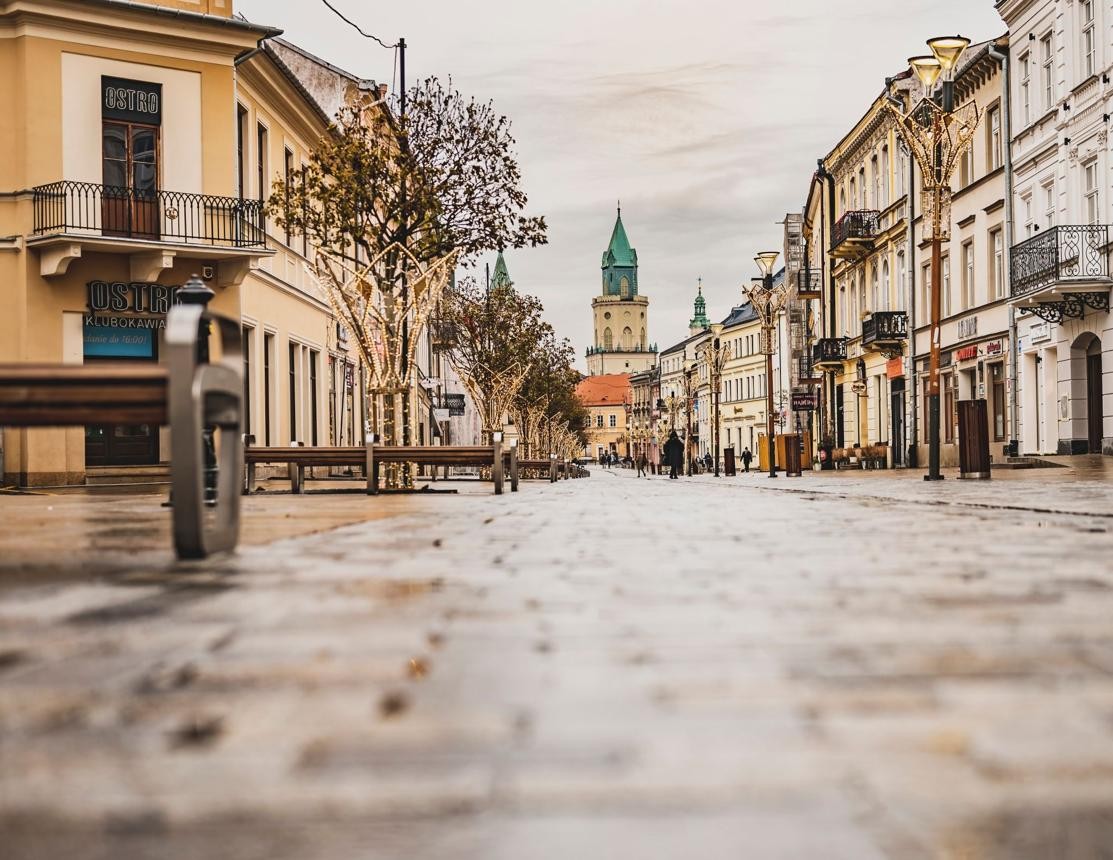
Within the programme, AR/VR applications were used to explore the city of Lublin and extend learning beyond the classroom. Through digital tools, participants interactively discovered historical and cultural sites and experienced how technology can be integrated into real-life learning contexts.
On the final day, micro-teaching practices, peer feedback sessions, and national implementation plans were conducted to ensure the transfer of the acquired knowledge and skills into schools.
Thanks to this mobility, as the Turkish team, we:
• improved our digital pedagogical competences,
• gained practical experience in integrating AR/VR technologies into our lessons,
• strengthened international cooperation and intercultural interaction,
• developed new perspectives on innovative and inclusive teaching practices.
We aim to apply the knowledge and experience gained in our school and share them with our students to make our educational processes more effective and innovative.